– Eine der größten europäischen Messen für Oldtimer findet vom 6. bis 10. Februar 2019 im Ausstellungszentrum Porte de Versailles statt. – Zur Feier des 70. Geburtstags von Abarth stellt FCA Heritage legendäre Klassiker aus, mit denen die enge Verbindung zwischen dem Unternehmen mit dem Skorpion im Wappen und den italienischen Marken von FCA dokumentiert wird. – Zu sehen sind ein Alfa Romeo 750 Competizione von 1955, ein von Abarth getuntes Rekordfahrzeug Fiat 500 von 1958, ein Abarth 1000 Monoposto (1965) und ein Lancia Rally 037 (1982). – Der Reigen der Klassiker wird komplettiert durch einen Alfa Romeo 8C Spider von 2010, der als Teil der Initiative „Reloaded by Creators“ zum Verkauf steht.
FCA Heritage, die für die Historie der Marken Abarth, Alfa Romeo, Fiat und Lancia zuständige Abteilung von Fiat Chrysler Automobiles (FCA), beteiligt sich am „Salon Rétromobile“ in Paris (6. bis 10. Februar 2019), einer der europaweit wichtigsten Messen für historische Autos und Motorräder. Schwerpunkt der Präsentation von FCA Heritage im Ausstellungszentrum Porte de Versailles ist der 70. Geburtstag der Marke Abarth. Zu sehen sind einige der wichtigsten Fahrzeuge aus der gemeinsamen Geschichte von Abarth und den italienischen Marken von FCA.
Im Mittelpunkt stehen legendäre Oldtimer, die entweder nur in geringer Stückzahl oder sogar als Einzelstücke gefertigt wurden: ein Alfa Romeo 750 Competizione aus dem Jahr 1955, ein von Abarth speziell für Rekordfahrten präparierter Fiat 500 (1958) und ein Lancia Rally 037 (1982). Sie werden begleitet vom gerade frisch restaurierten Abarth 1000 Monoposto, mit dem Firmengründer Carlo Abarth persönlich 1965 den 100. Rekord für seine Marke erzielte.
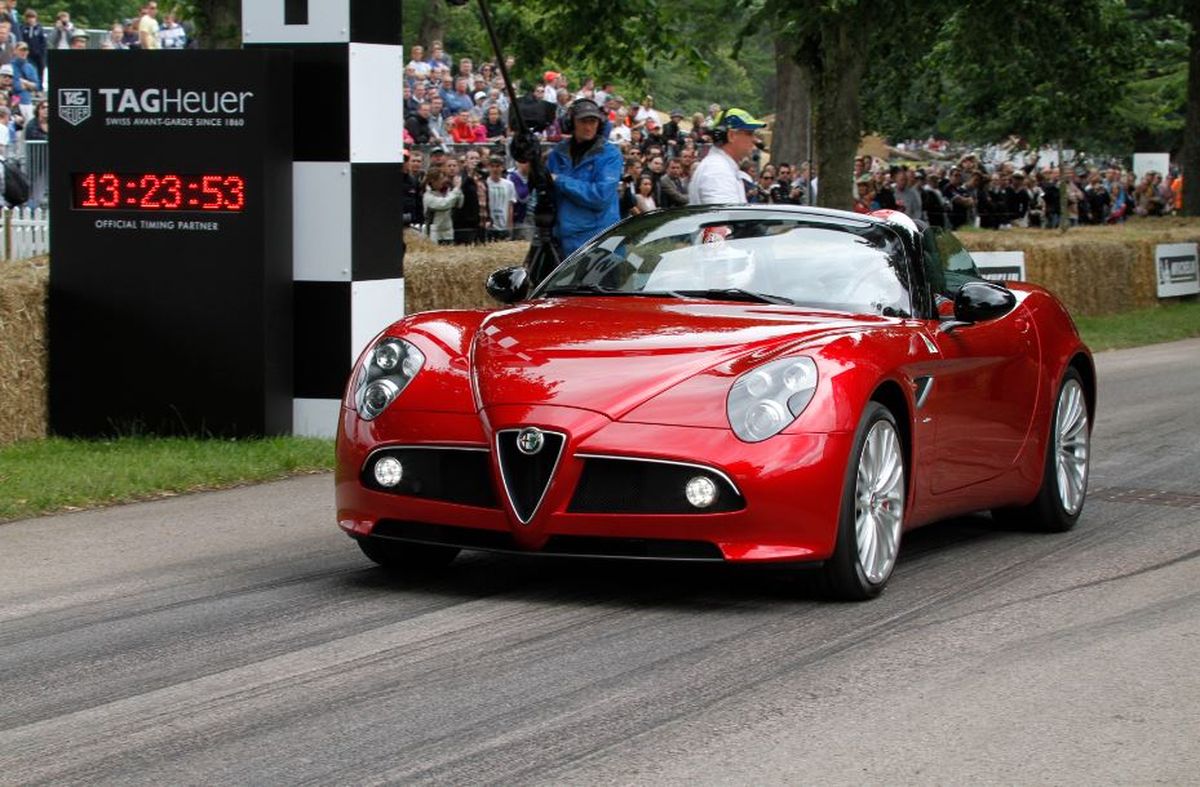
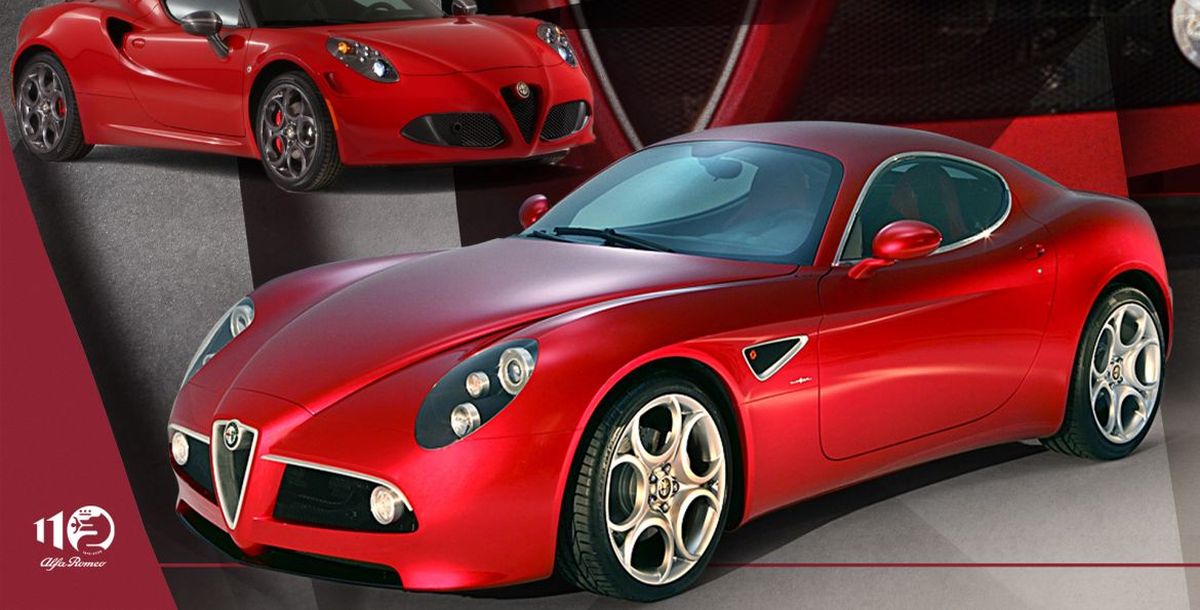
Ein Beispiel für die Initiative „Reloaded by Creators“ ist ein Alfa Romeo 8C Spider (2010). Der ursprünglich in einer Auflage von lediglich 500 Exemplaren gebaute Roadster wurde jüngst in den Werkstätten von Alfa Romeo Classiche überholt, anschließend mit einem Echtheitszertifikat versehen und steht zum Verkauf.
Den Bogen zur Gegenwart schlagen am Messestand von FCA Heritage das neue Sondermodell Abarth 124 GT „70th Anniversary“ und die Alfa Romeo Giulia Quadrifoglio, die auf perfekte Art und Weise den Anspruch der Marke an sich selbst sowie den Grundsatz „Technologie aus Emotionen“ verkörpert.
70 Jahre Abarth
Die Marke Abarth feiert 2019 den 70. Geburtstag. Die auf dem „Salon Rétromobile“ von FCA Heritage präsentierten Klassiker zeigen einen Ausschnitt aus der langen erfolgreichen Zusammenarbeit, die Abarth schließlich zu einem der größten Namen im internationalen Motorsport gemacht hat. Die Wurzeln liegen in den Nachkriegsjahren, als die Sehnsucht der Menschen nach einem neuen Anfang und die technische Revolution der Automobilindustrie einen fruchtbaren Boden für ungeahnte Experimente bereiteten. 1949 gründete Carlo sein eigenes Unternehmen und wählte als unverkennbares Logo sein Sternzeichen, den Skorpion. Abarth konzentrierte sich auf die Konstruktion von Rennfahrzeugen und die Entwicklung von Tuning-Komponenten für die zu der Zeit weit verbreiteten Serienautos.
Schon 1950 beschäftigte sich Abarth erstmals mit Fahrzeugen der Marke Fiat. Er konstruierte heiße Tuningversionen von braven Großserienmodellen, die sogar in der Lage waren, Geschwindigkeits- und Langstreckenrekorde aufzustellen. Zu dieser Zeit entwickelte Abarth außerdem Tuning-Komponenten für Serienfahrzeuge der Marke Alfa Romeo und konstruierte außerdem einmalige Prototypen. Seine erfolgreiche Zusammenarbeit mit Lancia führt zu einer über 15 Jahre reichenden Epoche, in der die Marke Siege und Meisterschaften bei Rallyes und Langstreckenrennen feierte.
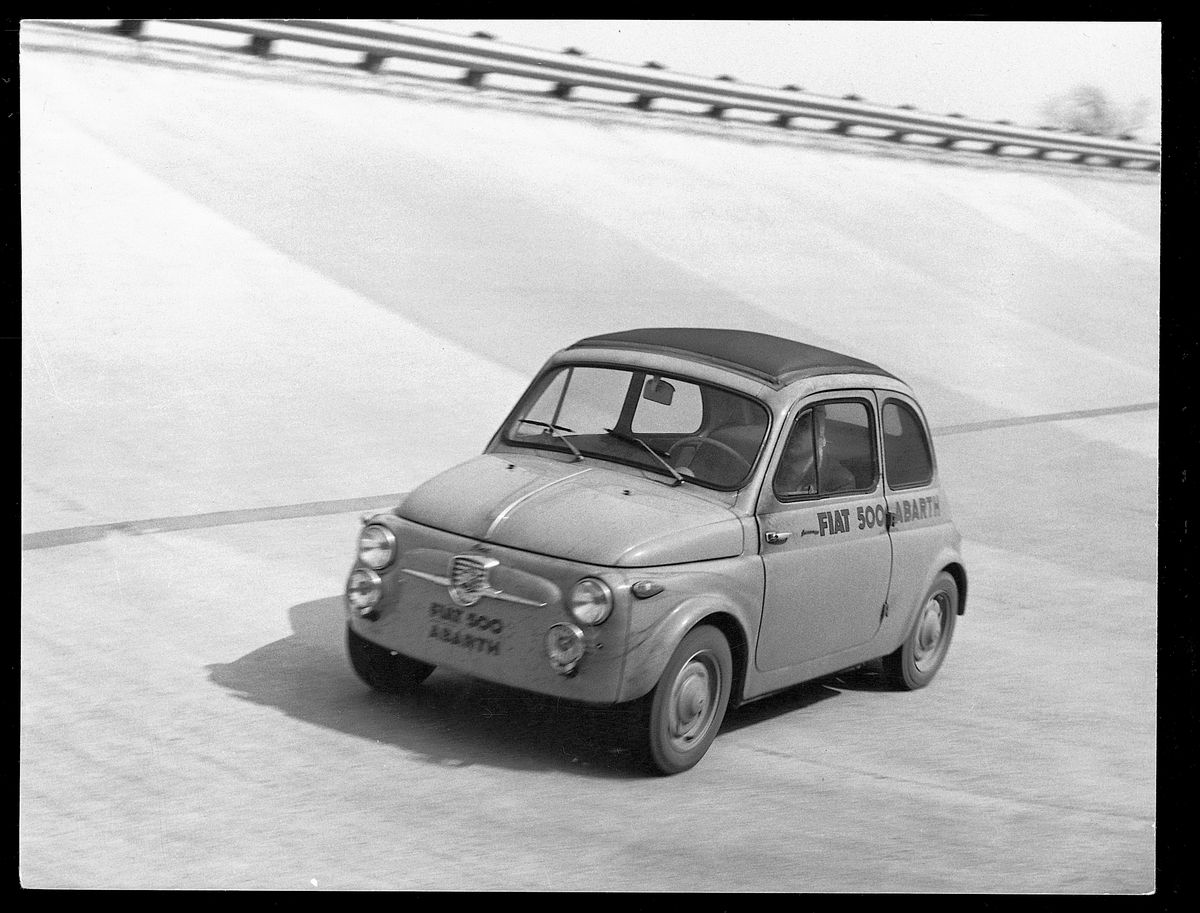
Fiat 500 in von Abarth getunter Rekordvariante (1958)
1957 revolutionierte der Fiat 500 die Automobilwelt nicht nur in Italien. Der heute legendäre Kleinwagen hatte vielleicht einen einzigen Schwachpunkt – die Fahrleistungen, die weit von den Werten eines Rennautos entfernt waren. Carlo Abarth trat an, genau diesen Aspekt am Image des Fiat 500 gründlich umzukrempeln. Er verwandelte den Fiat 500 in ein Rekordfahrzeug. Er steigerte die Leistung des kleinen Zweizylinder-Motors auf 19 kW (26 PS), was immerhin eine Höchstgeschwindigkeit von 118 km/h ermöglichte. Ein so getunter Fiat 500 spulte auf der Rennstrecke in Monza eine Dauerfahrt über 168 Stunden ab und stellte dabei sechs internationale Rekorde auf. Abarth trug damit zweifellos dazu bei, dass sich der Fiat 500 zu einem der berühmtesten Autos in der Geschichte entwickelte.
Fiat 500 in von Abarth getunter Rekordvariante (1958)
FCA Heritage zeigt in Paris exakt dieses Rekordfahrzeug, das auch der erste Fiat 500 war, den Abarth jemals tunte. Das Auto hat eine gründliche Restaurierung durchlaufen und präsentiert sich jetzt im selben Zustand wie 1958. Dieser Fiat 500 hat einen unschätzbaren historischen Wert und ist nicht nur ein Meilenstein in der Historie von Abarth, sondern für die gesamte Automobilgeschichte.
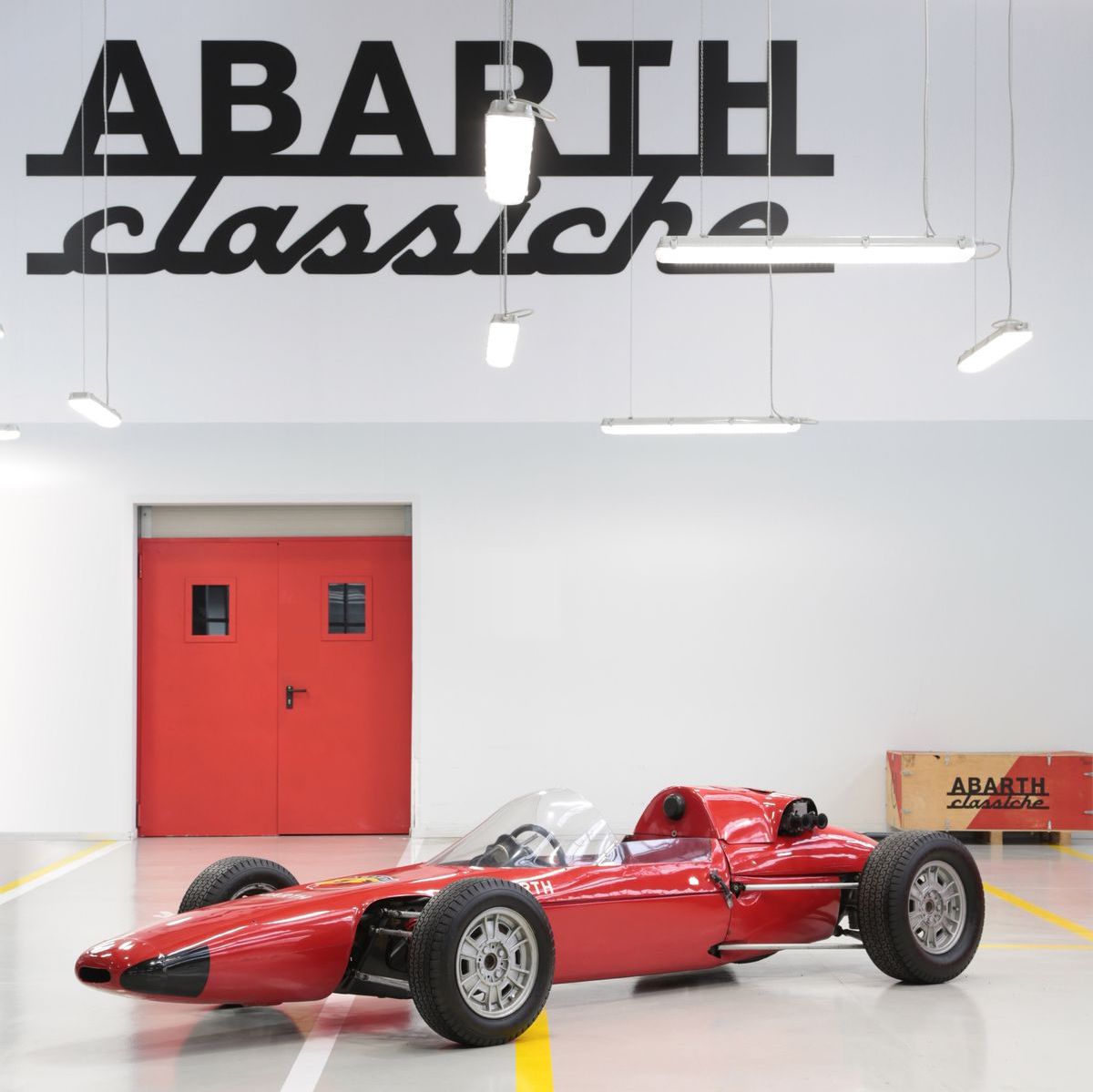
Abarth 1000 Monoposto (1965)
Der Automobilweltverband FIA hatte gerade eine Reihe neuer offizieller Rekorde über kürzere Distanzen geschaffen, als Carlo Abarth die Bestmarke über die Viertelmeile mit stehendem Start in der Wettbewerbsklasse G in Angriff nahm. Im Alter von 57 Jahren, einige Zeit nach Beendigung seiner aktiven Karriere als Rennfahrer, lockte Abarth vor allem die Aussicht, persönlich den insgesamt 100. Rekord für seine Marke aufzustellen. Um ins einsitzige Cockpit des vom ihm konstruierten Abarth 1000 Monoposto zu passen und außerdem das Einsatzgewicht so gering wie möglich zu halten, musste Abarth allerdings zunächst abnehmen. Tatsächlich schaffte er es durch eine strenge Diät – angeblich bestehend nur aus Äpfeln -, rund 30 Kilogramm abzunehmen.
Abarth 1000 Monoposto (1965)
Die Mühe hatte sich gelohnt. Im Oktober 1965 stellte Abarth am Lenkrad des windschnittigen, von einem Motor mit nur einem Liter Hubraum angetriebenen Prototypen neue Rekorde über die Viertelmeile sowie auf der 500-Meter-Distanz in der Klasse G auf. Er schlug dabei die starke Konkurrenz aus den Häusern Porsche und BMW. Der Abarth 1000 Monoposto basierte auf einem von Abarth entwickelten Formel-2-Renner aus dem Vorjahr, den er vor allem im Punkt Aerodynamik durch eine geänderte Front und eine Windschutzscheibe optimierte. Als Antrieb diente ein Motor mit 982 Kubikzentimetern Hubraum, ausgerüstet mit zwei obenliegenden Nockenwellen und zwei 40er Weber-Doppelvergasern.
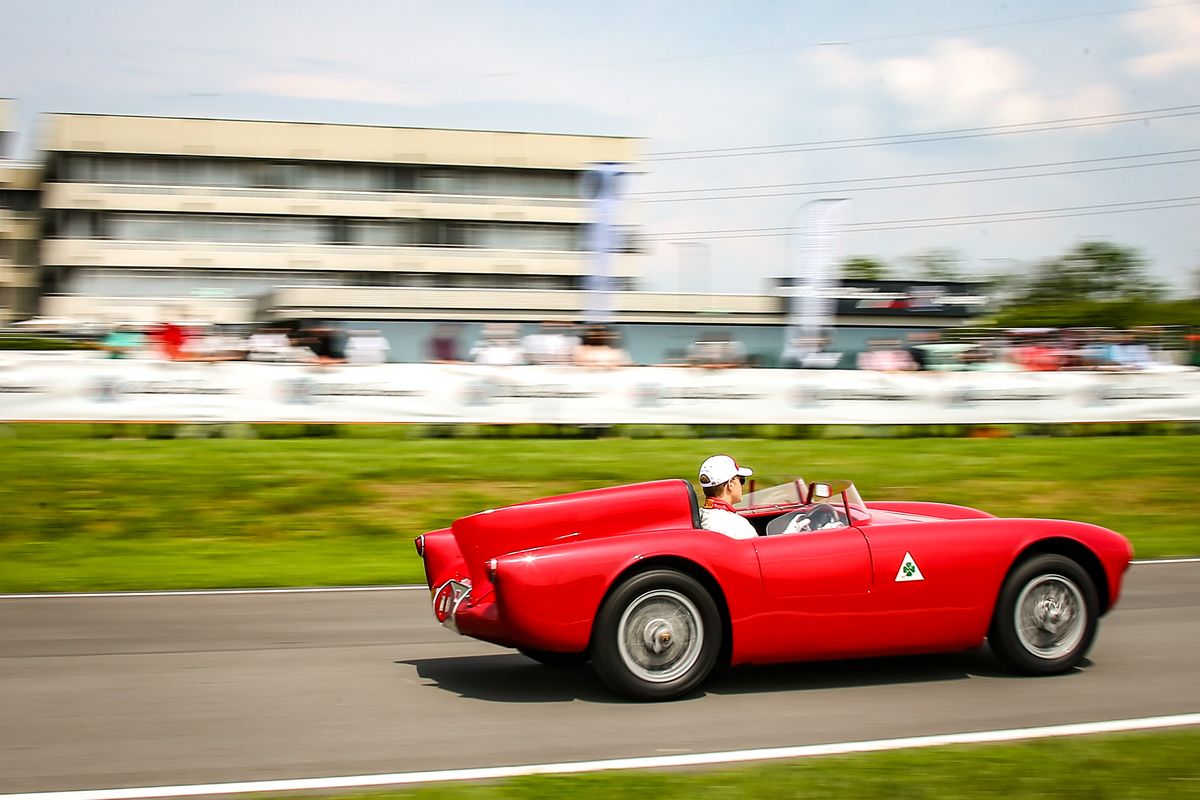
Alfa Romeo 750 Competizione (1955)
Die Geschichte rund um die Partnerschaft zwischen Carlo Abarth und Alfa Romeo, die schließlich zum 750 Competizione führte, wurde lange geheim gehalten. Ursprüngliches Ziel war es, auf Basis der Alfa Romeo Giulietta (interner Modellcode 750) einen Sportwagen zu entwickeln, mit dem die Marke in den Rennsport zurückkehren konnte, den sie nach den beiden gewonnenen Formel1-Weltmeisterschaften 1950 und 1951 verlassen hatte.
Alfa Romeo 750 competizione (02/2019)
Carlo Abarth, der die Motoren von Alfa Romeo schon immer bewundert hatte, belieferte die Marke bereits mit Tuning-Komponenten für Serienfahrzeuge und hatte den Ehrgeiz, mit dem Projekt „750 Competizione“ beauftragt zu werden. Er nahm die Herausforderung an und konstruierte ein Chassis, das Ähnlichkeiten zu seinem früheren Rennwagen 207/A aufwies. Die Karosserie wurde bei Designer Mario Boano, einem Meister seines Fachs, in Auftrag gegeben. Als Antriebsquelle diente ein aus Aluminium gefertigter Vierzylindermotor, der mit zwei obenliegenden Nockenwellen und zwei Zündkerzen pro Zylinder reinste Renntechnologie verkörperte. Der Hubraum betrug 1.488 Kubikzentimeter.
Der 750 Competizione wurde erfolgreich getestet, die Aerodynamik erwies sich als wirkungsvoll. Dennoch stoppte Alfa Romeo das Projekt in dem Moment, in dem auch die Rückkehr in den Motorsport auf Eis gelegt wurde. So blieb der jetzt auf dem „Salon Rétromobile“ von FCA Heritage gezeigte 750 Competizione ein Einzelstück, dessen Design sich deutlich von anderen Alfa Romeo dieser Zeit unterscheidet.
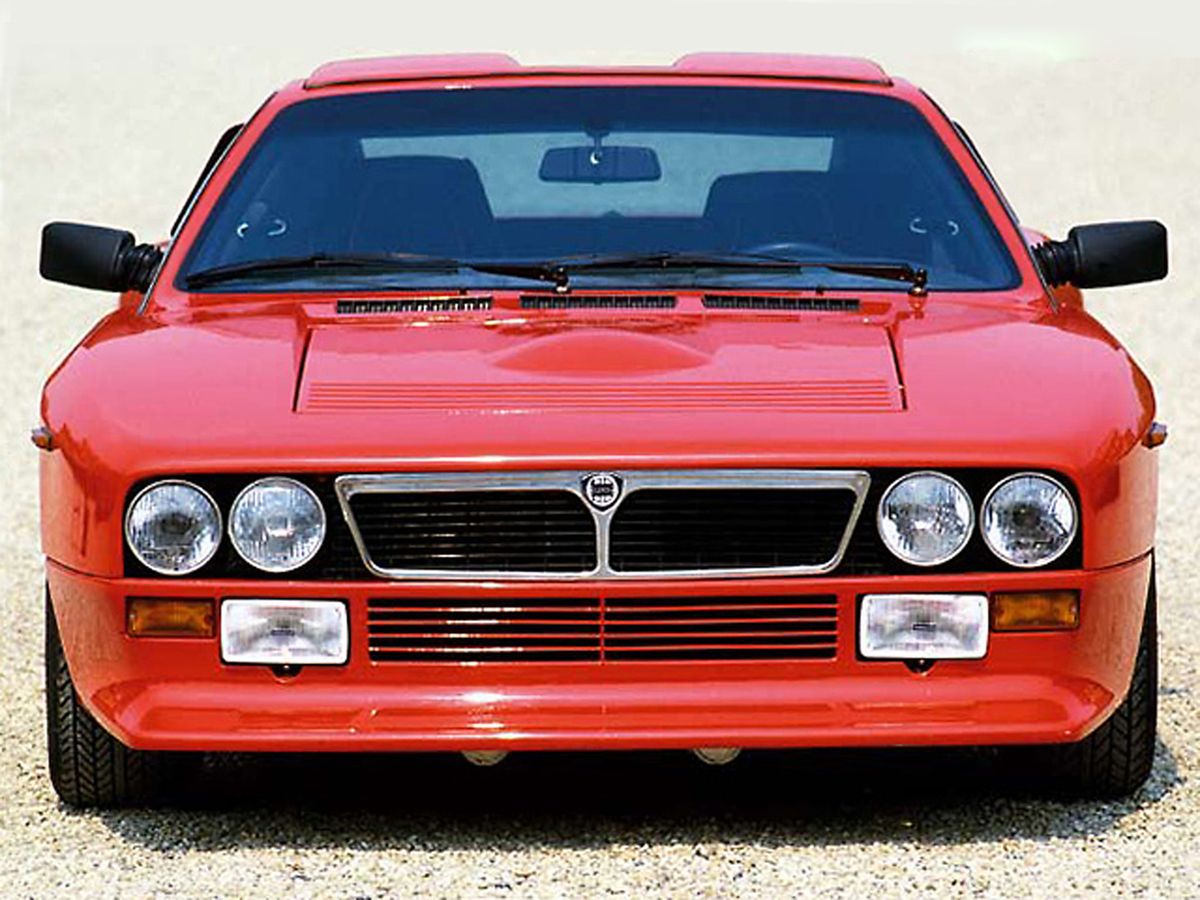
Lancia Rally 037 (1982)
Die Zusammenarbeit zwischen Abarth und Lancia, die sich bis Mitte der 1950er Jahre auf einige leistungssteigernde Komponenten für Motor und Fahrwerk der Aurelia B20 beschränkte, intensivierte sich nach der Übernahme von Abarth durch Fiat. Abarth war fortan die offizielle Rennabteilung des Konzerns, zuständig für alle Marken. Das Entwicklungsprojekt Abarth SE037 war schließlich der Startpunkt für eine einzigartig erfolgreiche Zeit von Rallyefahrzeugen der Marke Lancia.
Lancia Rally 037 (1982)
Der schließlich Lancia 037 Rally genannte Renner, dessen Karosseriedesign von Pininfarina stammte und dessen Mechanik von Abarth konstruiert wurde, ersetzte den in die Jahre kommenden Weltmeisterwagen Fiat 131 Abarth Rally. Lose basierend auf dem Mittelmotormodell Lancia Beta Montecarlo, war der Lancia 037 Rally mit einem Zweiliter-Motor von Fiat ausgerüstet. Das Doppelnockenwellen-Triebwerk produzierte in Serienversion 151 kW (205 PS). Die Höchstgeschwindigkeit lag bei 220 km/h, beim Sprint aus dem Stand auf 100 km/h vergingen weniger als sieben Sekunden. Um die Zulassung zum Motorsport in der sogenannten Gruppe B zu erhalten, mussten mindestens 200 Serienexemplare des Lancia 037 Rally gefertigt werden. Das auf der Pariser Messe gezeigte Fahrzeug ist eines dieser Homologationsmodelle.
Die Wettbewerbsversion des Lancia 037 Rally erlebte ihre Premiere bei der Rallye Costa Smeralda im April 1982. Im folgenden Jahr startete Lancia damit offiziell in der Weltmeisterschaft – und begann die Saison 1983 mit dem Sieg von Walter Röhrl bei der Rallye Monte Carlo. Lancia gewann in diesem Jahr die Marken-Weltmeisterschaft, mit dem zu diesem Zeitpunkt 25 Jahre alten, späteren Weltmeister Miki Biasion die Europameisterschaft und außerdem das Italienische Rallyechampionat.
Alfa Romeo 8C Spider (2010)
Der 2008 präsentierte Alfa Romeo 8C Spider basierte auf dem Coupé Alfa Romeo 8C Competizione von 2006. Der vom Centro Stile Alfa Romeo entworfene und nur 500 Mal gebaute Roadster knüpfte an die Tradition legendärer Cabriolets der Marke an, die zu den schönsten Fahrzeugen in der Historie des Automobils zählen. In diese Reihe gehören die Giulietta Spider aus den 1950er Jahren und der sogenannte Rundheck-Spider oder Duetto, der an der Seite des jungen Dustin Hoffman 1967 im Kultfilm „Die Reifeprüfung“ zu Weltruhm gelangte. Die Karosserie des Alfa Romeo 8C Spider gleicht einer Skulptur, von der die darunter liegende Mechanik und die Technologie umschlossen werden. Das Design ist eine Hommage an die glorreiche Vergangenheit der Marke, stand aber gleichzeitig für zukunftsweisende Technologie. Eine Besonderheit des Alfa Romeo 8C Spider ist sein elektro-hydraulisch betätigtes Verdeck, das aus zwei Lagen Stoff gefertigt wurde. Die äußere Schicht ist äußerst widerstandsfähig gegen Einflüsse durch die Atmosphäre, während die innere für eine exzellente Geräuschdämmung sorgt.
Alfa Romeo 8C Spider (2010)
Der Alfa Romeo 8C Spider wird von einem 4,7-Liter-Achtzylinder angetrieben, der 331 kW (450 PS) produziert und mit einem automatisierten Sechsgang-Getriebe kombiniert ist. In bester Tradition von Alfa Romeo ist der Antriebsstrang als Transaxle ausgelegt. Der Motor liegt hinter der Vorderachse, Getriebe, Differenzial und hydraulisch betätigte Kupplung sind zu einer Einheit mit der Hinterachse verbunden. Dadurch weist der Alfa Romeo 8C Spider eine optimale Gewichtsverteilung auf.