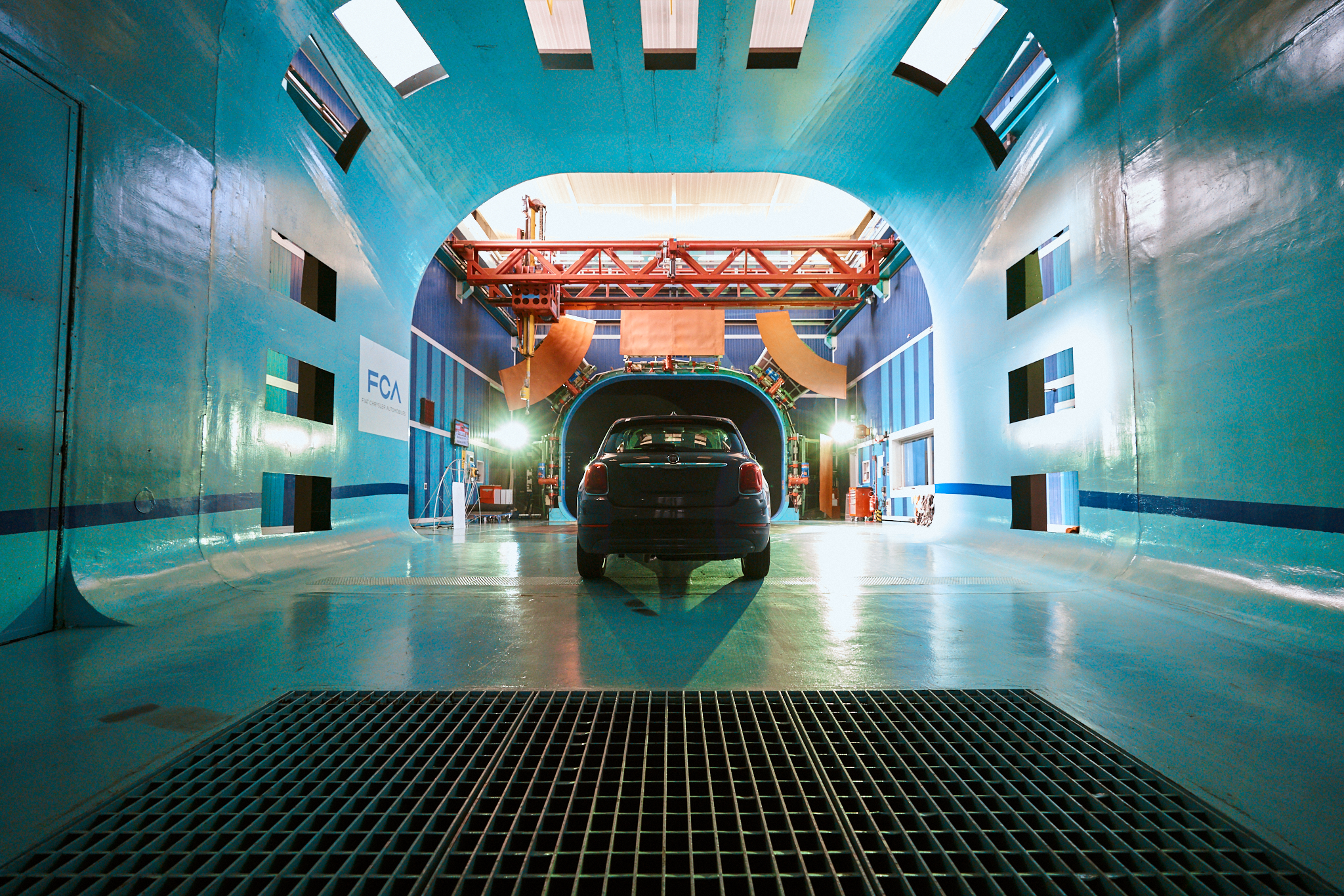
– Zweite Staffel der Dokumentationsreihe von Fiat Chrysler Automobiles (FCA) zeigt Hintergründe zur Evolution der Mobilität. – Die Fahrzeuge der Zukunft, deren Entwicklung schon heute auf vollen Touren läuft, lassen sich noch individueller auf Kundenwünsche konfigurieren und bringen deutliche Fortschritte bei Technologie und Effizienz. – In der ersten Episode der zweiten Staffel von „FCA What’s Behind“ steht das Herz jedes Automobils im Mittelpunkt – der Motor.
Mit der Dokumentationsreihe „FCA What’s Behind“ gibt Fiat Chrysler Automobiles (FCA) interessante Einblicke hinter die Kulissen der Branche. Die erste Folge der zweiten Staffel widmet sich der Entwicklungsgeschichte des Motors. Der Kurzfilm zeigt außerdem, wie sich die weltweiten Forschungs- und Entwicklungsaktivitäten von FCA ganz aktuell auf Technologielösungen konzentrieren, die für die Mobilität der Zukunft am besten geeignet sind.
Frei nach dem griechischen Philosophen Aristoteles (384 – 322 v. Chr.) ist der Motor die „treibende Kraft“ für das tiefe Interesse und die Faszination, die das Automobil von jeher in seinem Betrachter hervorruft. Obwohl der Motor von außen nicht sichtbar ist, zieht er häufig eine größere Neugier und Faszination auf sich als andere Komponenten eines Automobils, die zwar ins Auge fallen, aber für die Kaufentscheidung oder die Gesamtbewertung weniger entscheidend sind.
Vom Rekordfahrzeug Mephistopheles zum rein elektrischen Antrieb
In den Anfangsjahren waren die Fahrzeughersteller bemüht, Motoren immer leistungsfähiger zu machen. Dies führte zur Entwicklung legendärer Motoren und für ihre Zeit innovativer Lösungen, von denen viele bis heute im Einsatz sind. Im Lauf der Zeit wurde die Suche nach einer verbesserten Leistung allerdings durch Anforderungen ergänzt, die sich aus historischen Notwendigkeiten, wissenschaftlichen Erkenntnissen oder Fortschritten in der industriellen Fertigung ergaben. Die neue Folge von „FCA What’s Behind“ beschreibt die Entwicklung von wichtigen Motoren aus der Historie von FCA, die auch die Geschichte des Automobils im Allgemeinen geprägt haben.
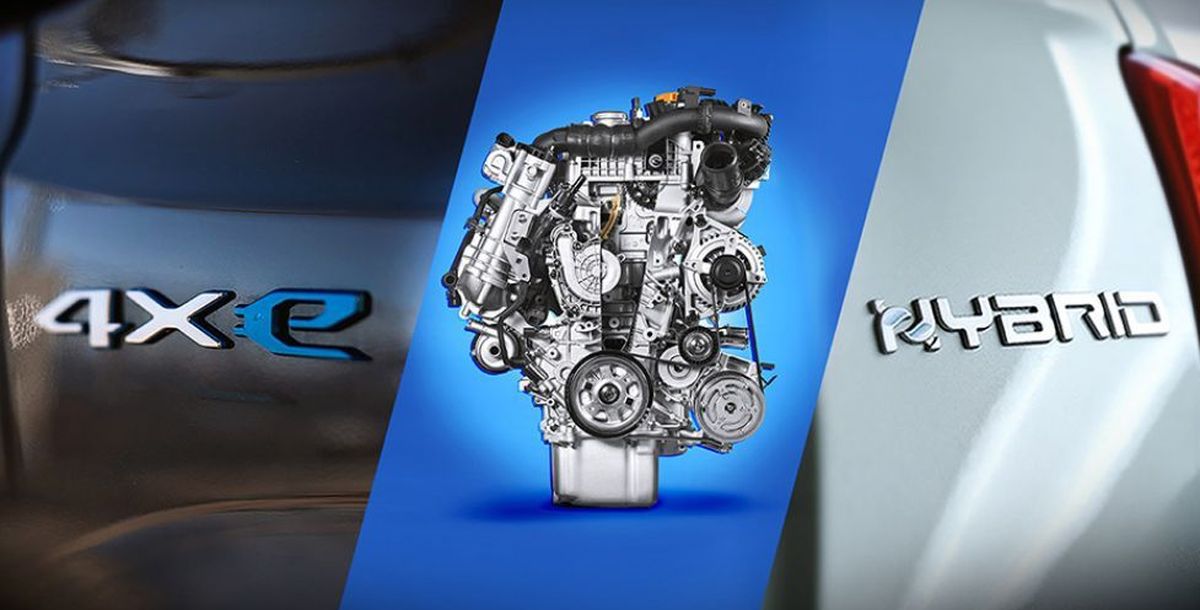
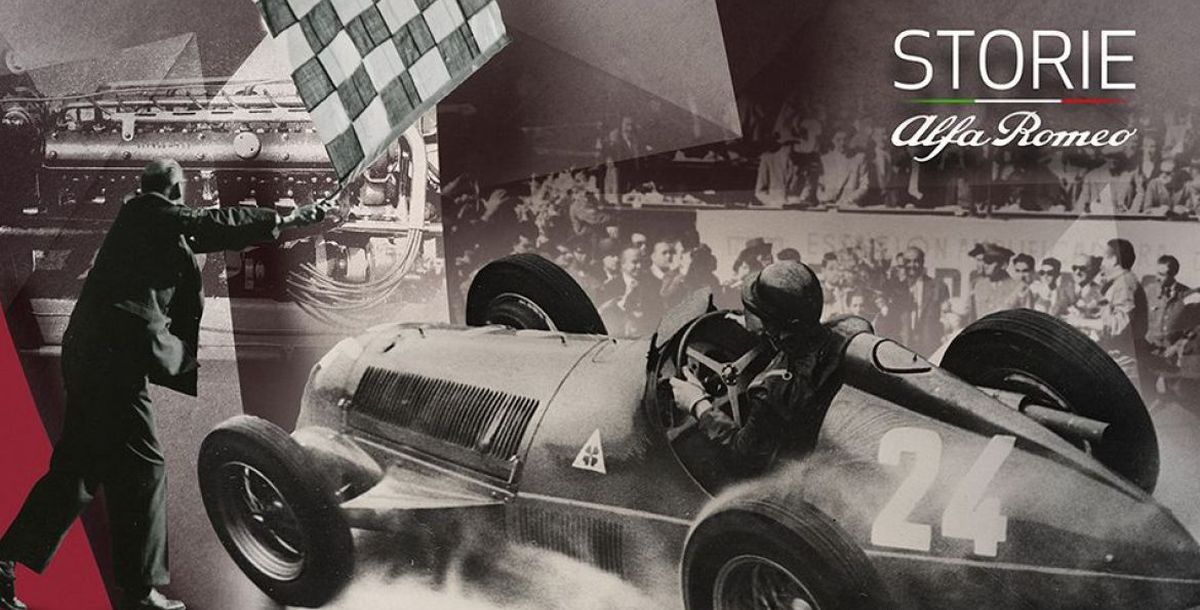
Ein erstes Highlight ist der Rekordwagen Fiat Mephistopheles, der mit einem Sechszylindermotor mit 21,7 Litern Hubraum vor fast einem Jahrhundert mit 234,98 km/h einen Geschwindigkeitsweltrekord aufstellte. Von der Motorenbaureihe FIRE (Fully Integrated Robotized Engine) wurden seit Mitte der 1980er Jahre bis heute mehr als 30 Millionen Stück gebaut.
Später sorgte das Unternehmen mit Innovationen wie der Common-Rail-Direkteinspritzung für Dieselmotoren und der Turbobenziner-Motorenfamilie FireFly für Schlagzeilen. Heute steht FCA mit seinen Marken Abarth, Alfa Romeo, Fiat, Fiat Professional (Transporter), Jeep® und Lancia vor einer völlig neuen Herausforderung. Es gilt, nachhaltige Antriebssysteme für die Mobilität der Zukunft zu entwickeln und gleichzeitig die Leistung und Effizienz zu verbessern.
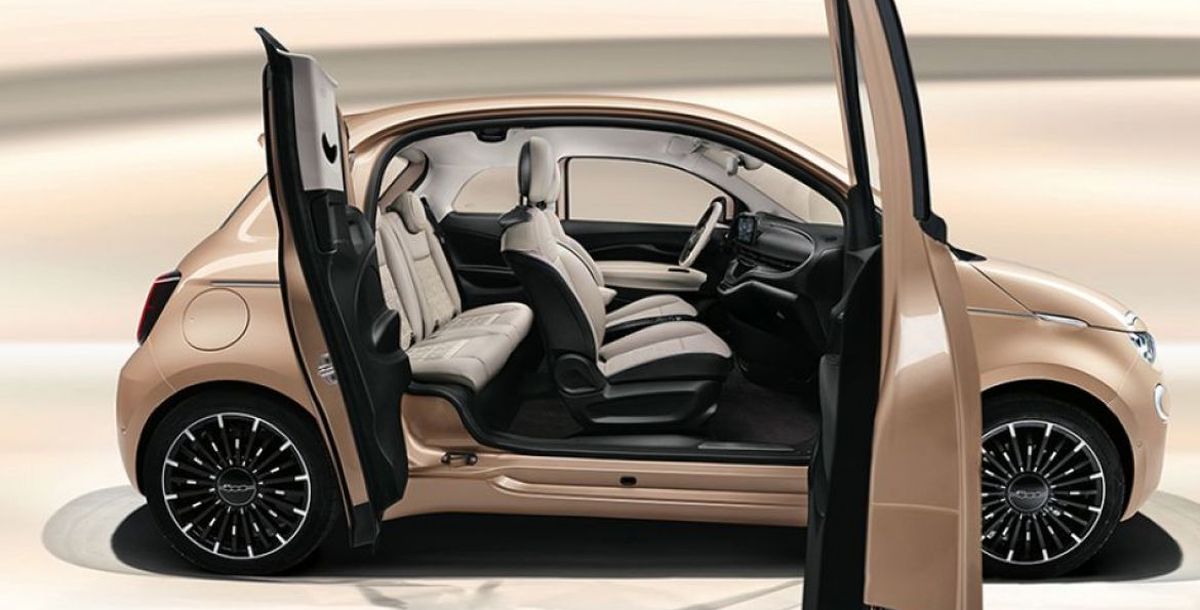
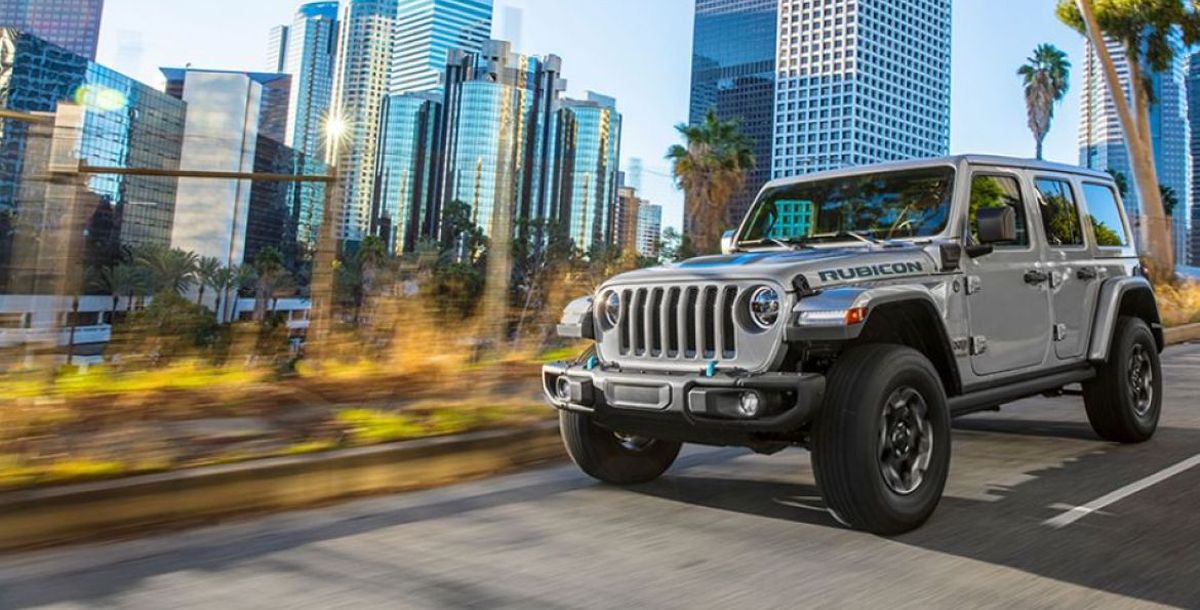
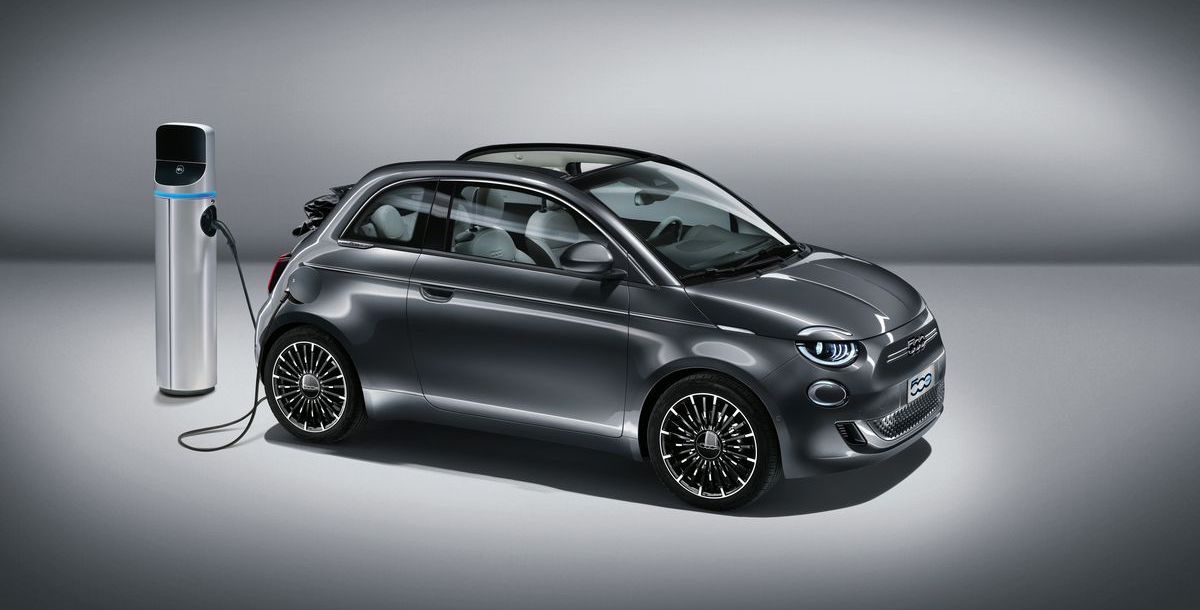
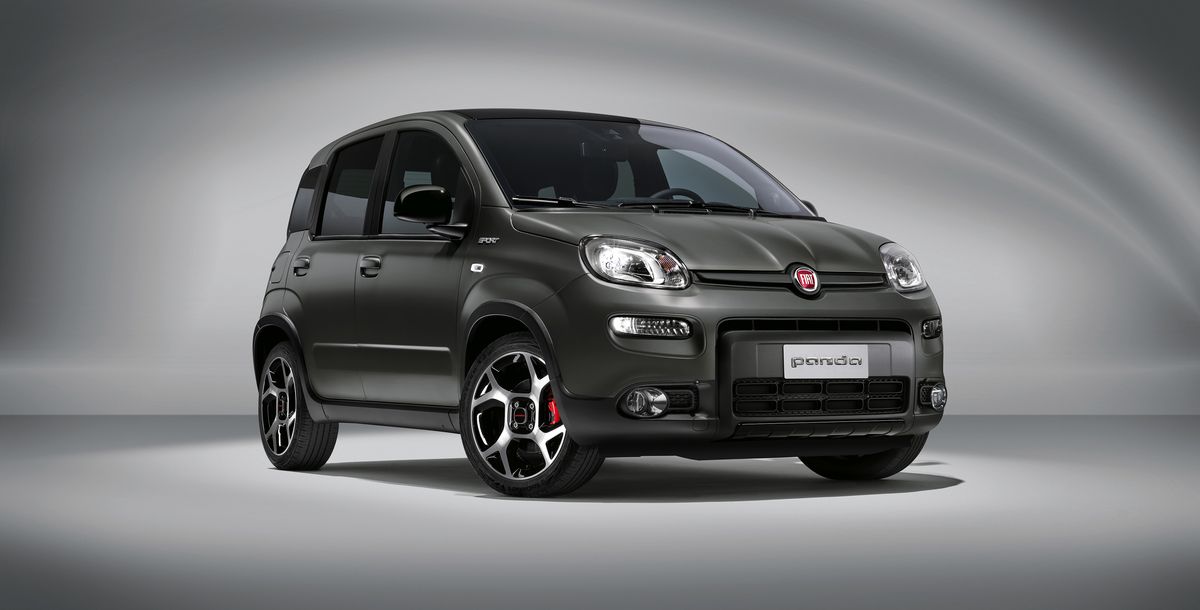
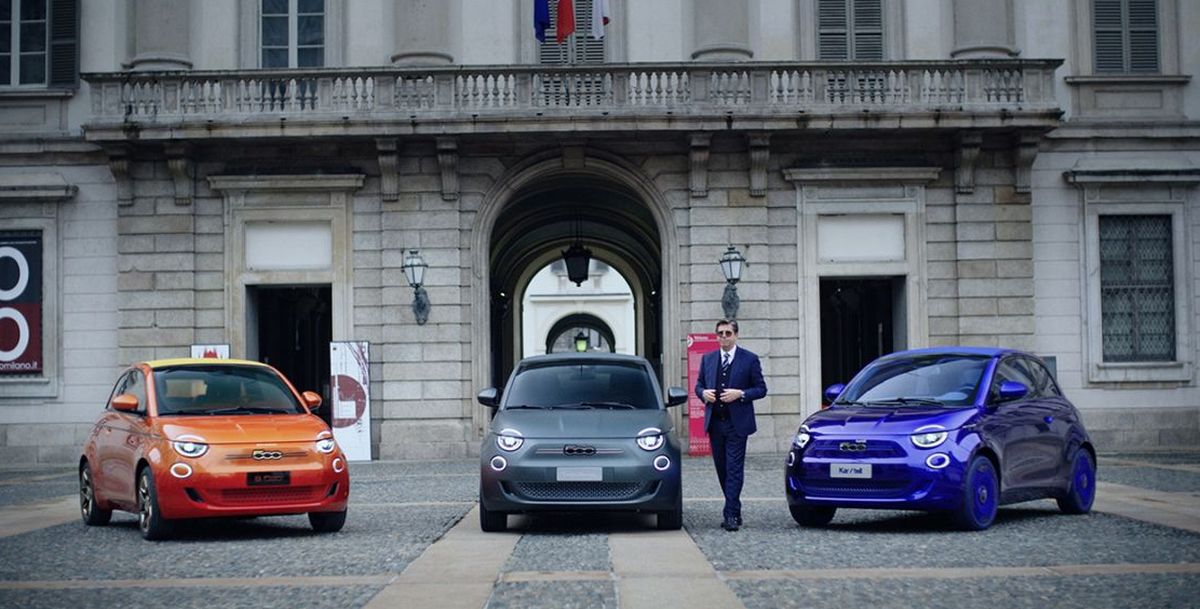
Aktuell bietet FCA beispielsweise Mild-Hybrid-Technologie in Kleinwagen an, bei denen Gewicht, Platzbedarf und Kosten wichtige Faktoren sind. In anderen Baureihen von FCA ermöglichen Plug-in-Hybride rein elektrisches Fahren ohne Kompromisse bei der Leistungsfähigkeit, bei Bedarf auch abseits befestigter Straßen. Mit rein elektrischen Antrieben ist FCA außerdem gerüstet für eine neue urbane Mobilität und schafft die Voraussetzungen für eine bessere Zukunft.