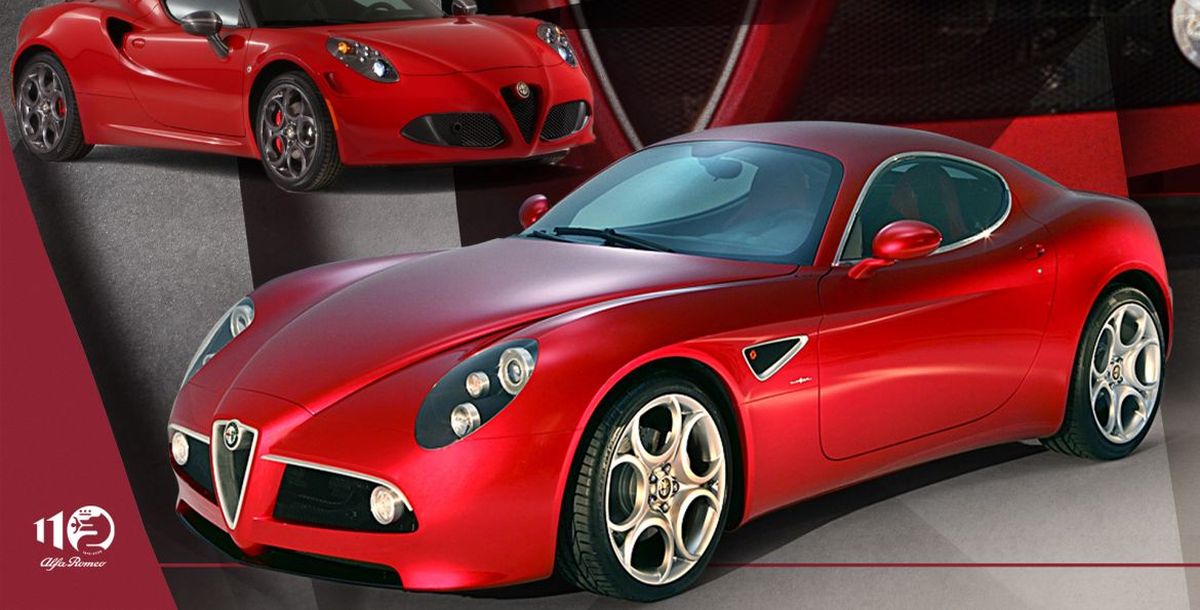
– In der nächsten Folge von „Storie Alfa Romeo“ spielt der Alfa Romeo 8C Competizione die Hauptrolle. – Der 2006 vorgestellte Supersportwagen mit 332 kW (450 PS) starken Achtzylindermotor hatte Vorbilder in der Historie von Alfa Romeo, warf gleichzeitig einen Blick in die Zukunft der Marke. – Optimales Leistungsgewicht, perfekte Balance, präzises Fahrverhalten und typisch italienisches Design setzten neue Maßstäbe. – Die Fachwelt lobte den Beitrag von Alfa Romeo zum Übergang in das 21. Jahrhundert. – Der Alfa Romeo 8C Competizione fasste die Essenz der Marke zusammen, beginnend bereits bei der Modellbezeichnung: 8C erinnerte an erfolgreiche Achtzylinder- Rennfahrzeuge der 1930er Jahre, Competizione war eine Referenz an die legendären Alfa Romeo der 1950er Jahre, die unter anderem Siege beim 24-Stunden-Rennen in Le Mans und beim berühmten Straßenrennen Mille Miglia feierten. – Das Design des Alfa Romeo 8C Competizione zeigte starke Zitate aus der Geschichte der Marke. – Der Stil des in Kleinserie gebauten Supersportwagens inspirierte spätere Serienmodelle von Alfa Romeo, darunter die Giulietta, den MiTo und den 4C. – Der Alfa Romeo 8C Competizione war ein Erfolg und ein Meilenstein. – Innerhalb von wenigen Wochen gingen rund 1.400 Bestellungen ein – die limitierte Serie von 500 Stück war ausverkauft, noch bevor die Produktion startete.
Die Alfa Romeo 8C Competizione erfüllte eine Doppelrolle. Er stellte für die Marke eine Rückkehr zu den Wurzeln und gleichzeitig ein Labor für die Zukunft dar. Dieser einzigartige Supersportwagen wurde mitten in einer Phase tiefgreifender Umstrukturierungen im Automobilsektor entwickelt. Er wurde zu einem Aushängeschild, mit dem Alfa Romeo seine Identität und Werte neu definieren sollte – ein stilistischer und technischer Startpunkt für zukünftige Fahrzeugmodelle.
Anfang 2006 gab Sergio Marchionne, zu dieser Zeit CEO von Fiat Group Automobiles (heute Fiat Chrysler Automobiles FCA) das Signal, die Serienproduktion eines Konzeptfahrzeugs zu starten, das auf der IAA 2003 in Frankfurt viel Wirbel ausgelöst hatte. Das Alfa Romeo Centro Stile unter der Leitung von Wolfgang Egger und andere Designabteilungen des Unternehmens entwickelten das Frankfurter Showcar innerhalb von nur acht Monaten zu Serienreife. Der Alfa Romeo 8C Competizione wurde in seiner endgültigen Form auf dem Pariser Autosalon im Herbst 2006 vorgestellt. Innerhalb von wenigen Wochen gingen rund 1.400 Bestellungen aus aller Welt ein. Die geplante Auflage von 500 durchnummerierten Exemplaren war bereits lange vor Produktionsstart ausverkauft.
Die Essenz von Alfa Romeo
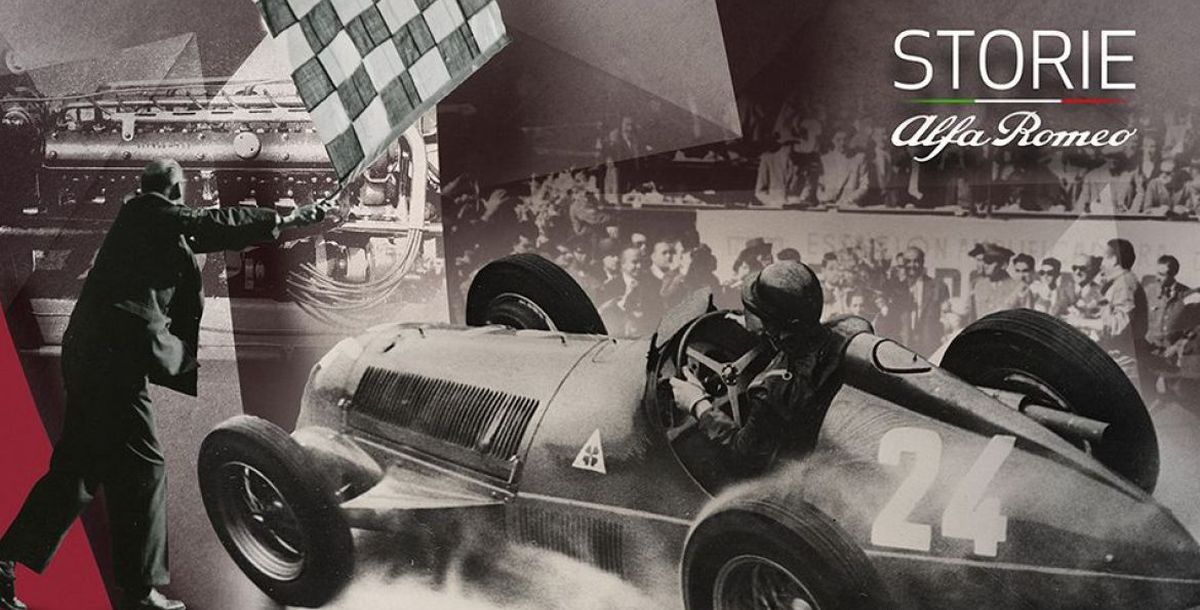
Die Geschichte des Alfa Romeo 8C Competizione beginnt mit seinem Namen. 8C – als Abkürzung für „otto cilindri“ (acht Zylinder) – bezieht sich auf die von Vittorio Jano entworfenen Alfa Romeo mit Achtzylindermotoren, die in den 1930er Jahren Rennen auf der ganzen Welt gewannen. Mit dem Tipo 8C 2300 feierte die Marke unter anderem vier Siege in Folge beim 24-Stunden-Rennen in Le Mans und drei beim legendären Straßenrennen Mille Miglia in Italien. Vier weitere Mille-Miglia-Siege steuerte der Tipo 8C 2900 bei. „Competizione“ – italienisch für Wettbewerb – wurde erstmals als Kennzeichnung für eine Rennversion beim Alfa Romeo 6C 2500 verwendet, den der spätere Formel-1-Weltmeister Juan Manuel Fangio bei der Mille Miglia 1950 fuhr.
Der Alfa Romeo 8C Competizione des 21. Jahrhunderts wurde entwickelt, um die Essenz von Alfa Romeo zu verkörpern und neu zu beleben. Der Supersportwagen griff technische Themen auf, die der Marke am Herzen liegen. Dazu zählen Leichtbau, in diesem Falle durch eine spezielle Chassiskonstruktion und die Verwendung von Aluminium, Titan, Kohlenstoff und Verbundwerkstoffen. Für eine ausgeglichene Gewichtsverteilung zwischen Vorder- und Hinterachse sorgte die sogenannte Transaxle-Bauweise, also mit längs eingebauten Frontmotor und Getriebe an der Hinterachse. Außergewöhnliche Fahrpräzision garantierte das aufwendig konstruierte Fahrwerk mit doppelten Querlenkern ringsum.
Als Antriebsquelle für den Alfa Romeo 8C Competizione diente ein V8-Saugbenziner mit 4,7 Litern Hubraum, der 332 kW (450 PS) leistete. Damit war eine Beschleunigung aus dem Stand auf 100 km/h in 4,2 Sekunden möglich. Zum ersten Mal seit Anfang der 1990er Jahre wurde außerdem ein Serienfahrzeug von Alfa Romeo wieder ausschließlich über die Hinterräder angetrieben.
Eine Hommage an die Geschichte des Automobildesigns
Und dann war da noch die nicht unbedeutende Frage des Stils. Die sich scheinbar aufbäumende Motorhaube wirkte, als wollte sie in den Asphalt beißen. Die Seitenlinie war weich und sinnlich. Eine horizontale Sicke verband die Radkästen und leitete über in die muskulöse Form der hinteren Kotflügel. Die Heckscheibe wurde von den C-Säulen eingerahmt, die in das Fahrzeugheck ausliefen.
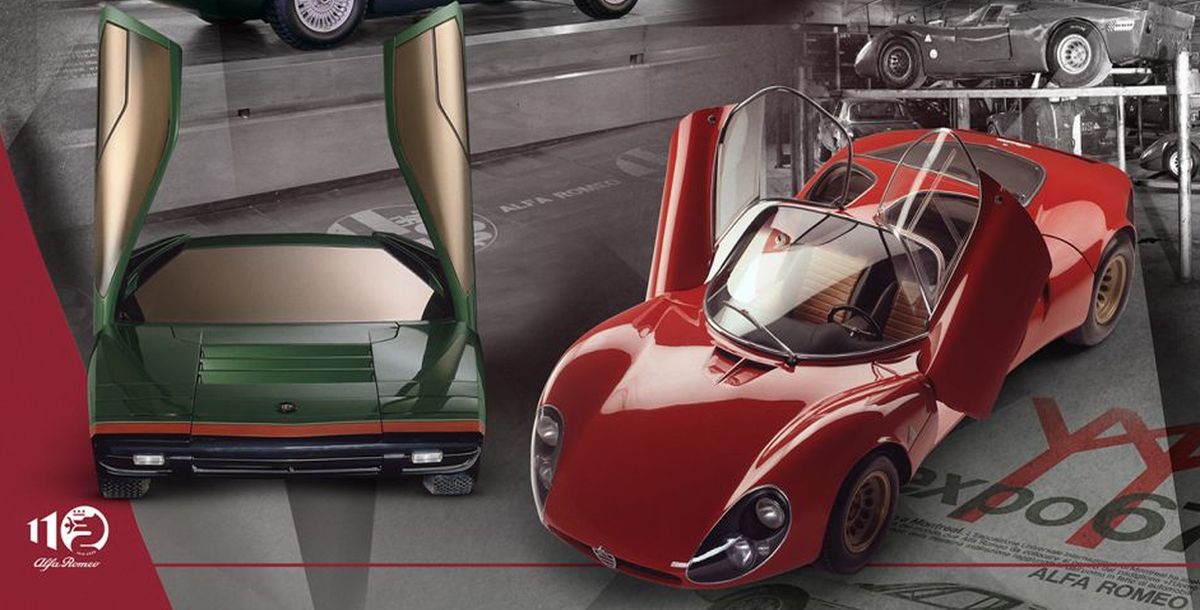
Das Design hatte viel von einem Quiz über Zitate aus der Markengeschichte von Alfa Romeo. Die leicht über die Motorhaube hinausragenden Scheinwerfer ähnelten denen des berühmten Tipo 33 Stradale von 1967. Das steil stehende, sogenannte Kamm-Heck – im Italienischen „Coda Tronca“ genannt – erinnerte an die zweite Serie der Alfa Romeo Giulietta SZ von 1961. Die kreisförmigen Rücklichter waren eine Hommage an die Giulia TZ, wie die Giulietta SZ eine Königin der Rennstrecken. Kurz gesagt: Das Design des Alfa Romeo 8C Competizione flirtete mit der Historie, als würde das Centro Stile einer ganzen Ära des Automobildesigns Tribut zollen.
Kreativität und Wissenschaft
Ab den 1930er Jahren hatten Konstrukteure und Karosseriebauer begonnen, die Aerodynamik von Automobilen zu verstehen und zu verbessern. Geringer Luftwiderstand wurde auch als Schlüssel zur Steigerung der Wettbewerbsfähigkeit von Rennwagen erkannt. Im ersten Schritt wurden externe Elemente wie Kotflügel und Scheinwerfer in die Karosserie integriert. Anschließend entstanden immer fließendere, glattere und stromlinienförmigere Karosserien.
Diese Herausforderung für die großen Designer ihrer Zeit regte auch ihre Phantasie an. Es galt die Überzeugung, dass alles, was schön ist, auch effizient sein muss. Die Designer entfesselten ihre Kreativität und ihr Können und entwarfen einige der schönsten und im Rennsport erfolgreichsten Autos aller Zeiten. Und viele von ihnen trugen das Wappen von Alfa Romeo.
Der Alfa Romeo 8C Competizione von 2006 war eine Hommage an Autos aus dieser Ära und verbeugte sich sinnbildlich vor ihnen durch das kühne Design der Karosserie, seine klaren Linien und die fast schon provokanten Zitate unverwechselbarer Markenmerkmale aus der Vergangenheit von Alfa Romeo.
Alfa Romeo und das „Trilobo“
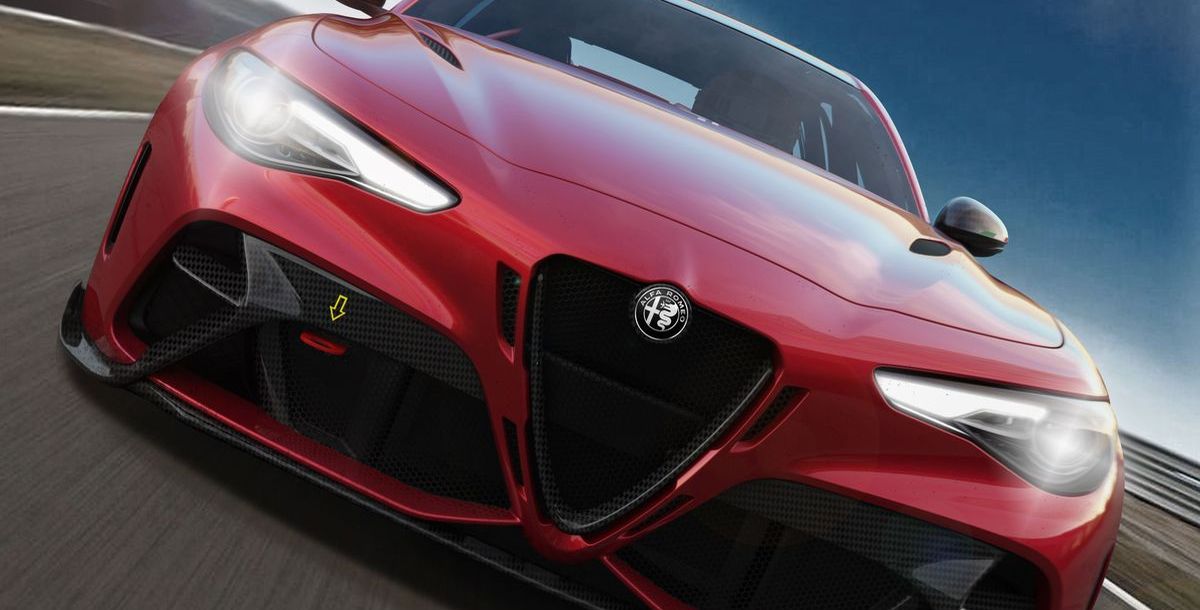
Aus der frontalen Perspektive ist jeder Alfa Romeo unverkennbar. Markant sind der zentrale, schildförmige Kühler – italienisch „Scudetto“ – und horizontale Lufteinlässe auf beiden Seiten. Diese Kombination, vielleicht das berühmteste Gesicht in der Welt der Automobile, wird im Italienischen „Trilobo“ genannt. Es entstand in den 1930er Jahren.
Bis dahin wurde dem Design der Fahrzeugfront eher wenig Aufmerksamkeit gewidmet. Sie bestand normalerweise lediglich aus dem von freistehenden Scheinwerfern flankierten Kühler, nur manchmal durch ein Gitter vor hochgeschleuderten Steinen geschützt. Das „Scudetto“ von Alfa Romeo war einer der ersten Versuche, dem Lufteinlass zum Kühler eine markante Form zu geben. Als die Öffnung des „Scudetto“ zu klein wurde, um die immer leistungsstärkeren Motoren mit Kühlluft zu versorgen, ergänzten es die Techniker durch zusätzliche, horizontale Lufteinlässe. Fans gaben ihnen den Namen „Baffi“, Italienisch für Schnurrbart.
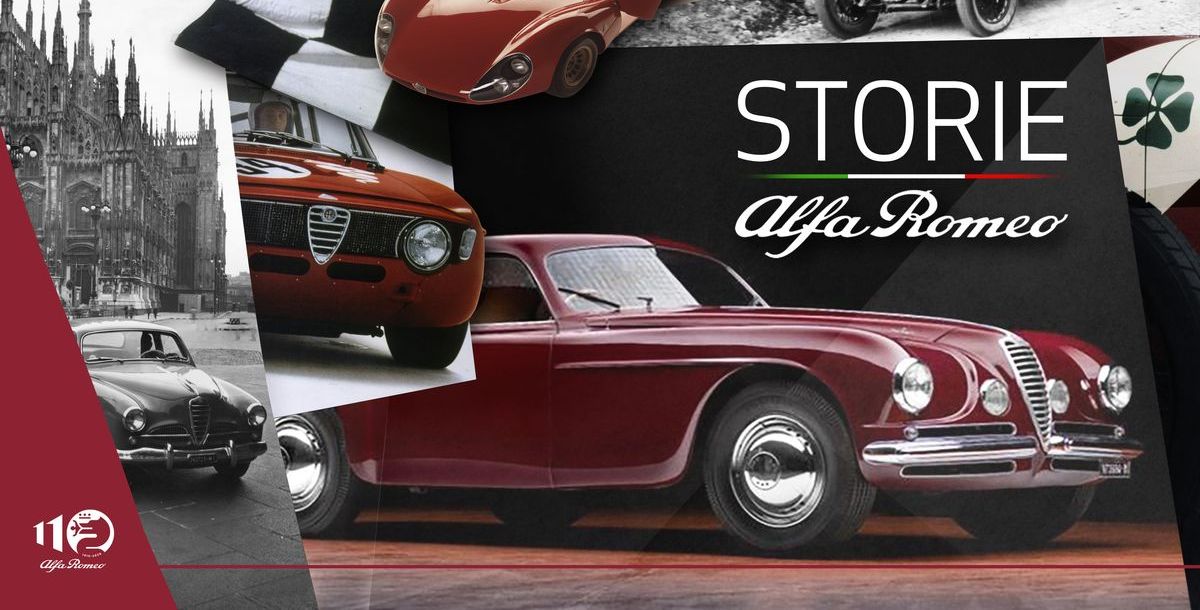
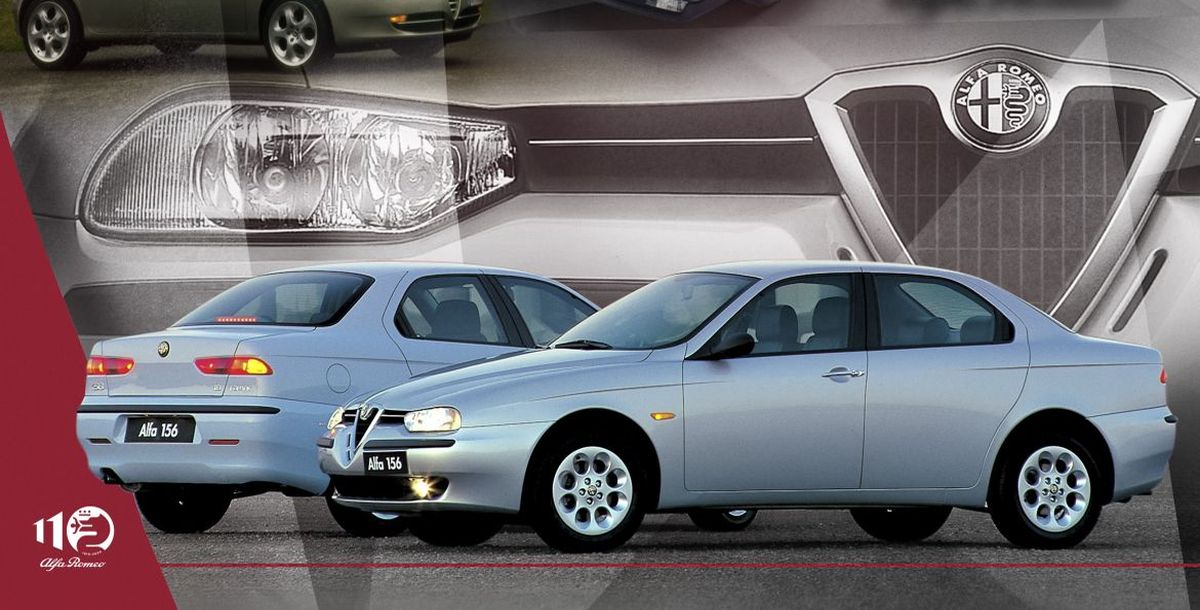
Der „Trilobo“, eher zufällig aus technischen Zwängen entstanden, wurde zum ersten Mal beim Alfa Romeo 6C 2500 Freccia d’Oro von 1946 offiziell als Markensymbol geführt. Wie alle Ikonen entwickelte sich auch der „Trilobo“ im Laufe der Zeit weiter und spiegelte Geschmack und Moden wider. Dennoch blieb er einzigartig und unverwechselbar. Der Alfa Romeo 1900 trug den „Trilobo“ geschwungener und prägnanter, beim Modell Giulietta wurde er fast schon zierlich. Für die Alfa Romeo Giulia nahm er eine aerodynamisch günstigere Form an, um in den 1970er und 80er Jahren eckiger ausgeführt zu werden. In den 1990er Jahren wurde der „Trilobo“ minimalistisch und fast schon stilisiert. Erst mit dem Alfa Romeo 156 und dem 8C Competizione waren „Scudetto“ und „Baffi“ wieder deutlich ausgeprägt. Dieses Grunddesign behielt Alfa Romeo bei allen nachfolgenden Modellen bei.
Das Erbe des Alfa Romeo 8C Competizione
Das Karosseriedesign des 8C Competizione zitierte die berühmtesten Elemente des Stils von Alfa Romeo und wurde zu einer natürlichen Inspiration für alle späteren Baureihen der Marke, auch für Großserienmodelle wie Alfa Romeo MiTo und Alfa Romeo Giulietta. 2011 erhielt der Alfa Romeo 8C Competizione eine jüngere Schwester – in Italien sind Autos traditionell weiblich –, den kompakten Hightech-Sportwagen Alfa Romeo 4C. Die Verwandtschaft war eindeutig, allerdings wurde der Alfa Romeo 4C in nicht limitierter Auflage gebaut.
Mit dem Modell 4C kehrte Alfa Romeo nicht nur ins Segment der kompakten Sportwagen zurück. Der Alfa Romeo 4C bot außerdem innovative Materialien und Technologien, kombiniert mit minimalem Gewicht und außergewöhnlichen dynamischen Eigenschaften.
Der Alfa Romeo 4C
Bei der Entwicklung des Alfa Romeo 4C wandten die Ingenieure nicht die beliebte Strategie an, auf möglichst hohe Motorleistung zu setzen. Stattdessen senkten sie durch die Verwendung von Hightech-Materialien das Gewicht. Fahrbereit wog der Alfa Romeo 4C nur wenig mehr als 1.000 Kilogramm, das Leistungsgewicht lag unter vier Kilogramm pro PS. Zwei Werte, die maximale Agilität und hohe Leistung garantierten.
Um ein möglichst geringes Gewicht zu erreichen, wurde die Karosserie teilweise aus speziellen Kunststoffen gefertigt. Die innovativste Komponente war jedoch das in sogenannter Honeycomb-Bauweise aus Kohlefaser hergestellte Monocoque, eine auch in der Formel 1 verwendete Technologie. Das aus einzelnen, mit Harz getränkten Fasermatten geformte Monocoque bestand aus einem einzigen Bauteil, das in einem großen Ofen unter Vakuum gebacken wurde. Das gesamte Monocoque des Alfa Romeo 4C wog nur 65 Kilogramm, erfüllte trotzdem die Aufgaben einer tragenden Struktur.
Auch der Motor des Alfa Romeo 4C war ultraleicht. Der Turbomotor, der aus einem Hubraum von 1.750 Kubikzentimetern 177 kW (240 PS) produzierte, wurde nahezu vollständig aus Aluminium gefertigt. Um eine optimale Gewichtsverteilung des gesamten Fahrzeugs zu erreichen, wurde der Vierzylinder – deswegen die Modellbezeichnung 4C – hinter dem Cockpit quer als Mittelmotor platziert. Für die Verbindung zur Hinterachse sorgte ein Doppelkupplungsgetriebe.
Auch das Fahrwerk des Alfa Romeo 4C zeigte die Nähe zum Rennsport. Die Vorderachse wurde von doppelten Dreiecksquerlenkern geführt, die Feder-/Dämpfer-Gruppe war direkt mit dem Monocoque verschraubt. An der Hinterachse kam eine Weiterentwicklung des klassischen McPherson-Systems zum Einsatz. Der Alfa Romeo 4C erreichte eine Höchstgeschwindigkeit von über 255 km/h und beschleunigte in 4,5 Sekunden aus dem Stand auf Tempo 100 km/h.
Die weiteren Folgen zur „Storie Alfa Romeo“ finden Sie unter: http://www.media.fcaemea.com/de-de/alfa-romeo/special/storie-alfa-romeo/storie-alfa-romeo-de
Pressekontakt:
Anne Wollek
Tel: +49 69 66988-450
E-Mail: [email protected]